
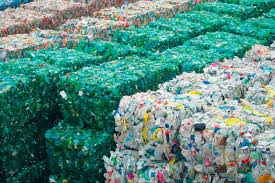
Plastic waste has become a major environmental concern in recent years. PET (polyethylene terephthalate) is one of the most commonly used plastics, found in water bottles, food packaging, and other everyday items. However, PET can take hundreds of years to decompose, causing harm to our planet and its inhabitants. The good news is that PET can be recycled and turned into a sustainable resource. In this blog post, we will explore the process of recycle PET and how it benefits our environment.
PET recycling starts with collection. Many cities have curbside recycling programs where residents can place their plastic waste in designated bins for pickup. These collected plastics are then sorted at recycling facilities based on their type and color. Once sorted, the PET plastic is washed to remove any contaminants such as labels or caps.
The next step is shredding the PET into small pieces called flakes. These flakes are then melted down and formed into pellets which can be used to make new products such as clothing fibers or packaging materials. This process not only reduces the amount of plastic waste in landfills but also conserves energy compared to producing new plastic from raw materials.
One major benefit of recycling PET is reducing greenhouse gas emissions. When plastic waste ends up in landfills, it breaks down over time and releases methane gas which contributes to climate change. By recycling PET instead of sending it to landfills, we can significantly reduce these harmful emissions.
Moreover, using recycled PET instead of virgin plastic also saves natural resources like oil that would otherwise be used for production purposes. It takes less energy to recycle existing materials than extracting new ones from the earth’s resources.
Recycling PET also has economic benefits as it creates job opportunities within the recycling industry while reducing costs associated with landfill management for local governments.
But perhaps one of the most significant advantages of PET recycling is the reduction of plastic pollution in our oceans and waterways. PET is one of the most common types of plastic found in marine debris, causing harm to marine life and ecosystems. By recycling PET, we can prevent it from ending up in our oceans and protect our planet’s delicate balance.
In addition to recycling PET at home or through curbside programs, there are other ways to support this cause. Many companies have started using recycled PET in their products as part of their sustainability efforts. As consumers, we can choose these products over others that use virgin plastic.
In conclusion, it’s essential for us to understand the impact of plastic waste on our planet and take action towards reducing it. Recycling PET is just one way we can make a positive impact on the environment while also creating a more sustainable future for generations to come. Let’s all do our part in turning plastic waste into a valuable resource through PET recycling!