
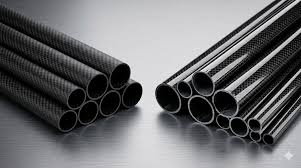
Advanced carbon materials have become a crucial component in improving durability, efficiency, and performance in industrial manufacturing. Many organizations rely on a reliable black carbon company to provide materials that enhance structural strength, conductivity, and product stability across multiple applications. These materials help manufacturers improve product performance while ensuring long-term reliability across demanding operational environments.
Industries such as automotive, energy, electronics, and infrastructure increasingly depend on carbon-based solutions to strengthen materials and optimize production efficiency. Carbon additives enhance the mechanical properties of industrial products and provide resistance against heat, abrasion, and environmental stress. As manufacturing technologies continue to evolve, the integration of advanced carbon materials is becoming essential for maintaining consistent product quality and supporting innovation in modern industrial systems.
Strengthening Industrial Materials With Advanced Carbon Additives
Carbon materials play a significant role in reinforcing industrial products by improving durability and structural integrity. Their unique properties make them valuable for applications that require resistance to wear, pressure, and environmental stress. By incorporating advanced carbon additives into production processes, manufacturers can enhance both the reliability and longevity of industrial components.
- Enhanced Structural Stability In Industrial Components
Carbon additives strengthen the internal structure of industrial materials by reinforcing their molecular composition. This added reinforcement helps materials maintain their original form even when exposed to continuous mechanical pressure. As a result, components remain stable during long operational cycles and maintain their performance under demanding conditions. - Improved Resistance to Wear and Abrasion
Many industrial applications involve constant friction and movement that gradually weaken materials. Carbon-based additives provide additional protection against abrasion, helping surfaces maintain their integrity over extended periods. This increased resistance reduces maintenance requirements and ensures that equipment and components continue functioning efficiently. - Better Protection Against Environmental Conditions
Industrial materials often face exposure to heat, moisture, chemicals, and other environmental factors that can accelerate degradation. Carbon materials improve the protective characteristics of products, enabling them to resist corrosion and environmental stress. This added durability ensures reliable performance even in harsh industrial settings.
Expanding Manufacturing Capabilities Through Carbon Innovation
Technological progress in material science is helping manufacturers develop materials with better functionality and durability. Carbon-based additives improve dispersion and conductivity, supporting product innovation across automotive, electronics, and construction sectors. Ongoing advancements in the carbon black industry continue to enhance material performance and manufacturing reliability.
- Enhanced Electrical Conductivity In Industrial Applications
Carbon materials possess strong conductive properties that make them suitable for applications requiring efficient electrical performance. These materials help stabilize electrical systems by supporting consistent conductivity and minimizing energy loss during operation. - Improved Material Processing and Manufacturing Efficiency
Advanced carbon additives integrate effectively into manufacturing processes, allowing producers to maintain consistent material quality. Their compatibility with different material formulations simplifies production while improving overall efficiency in industrial manufacturing environments. - Support for Advanced Product Development
Carbon materials offer flexibility in material design, enabling engineers and manufacturers to develop products with enhanced functionality. This adaptability encourages innovation across industries and allows companies to produce solutions that meet evolving technical requirements.
Reliable Material Performance Across Diverse Industries
Carbon materials are widely used across different sectors because of their ability to improve product strength and stability. From transportation systems to industrial equipment, manufacturers rely on these materials to maintain consistent product quality and operational performance.
- Improved Durability In Automotive Components
Automotive parts frequently experience high levels of stress due to constant movement, friction, and exposure to temperature variations. Carbon materials help strengthen these components, allowing them to withstand mechanical pressure and maintain reliable performance throughout extended use. - Enhanced Efficiency In Energy and Electrical Systems
Carbon additives support the efficient operation of energy systems by improving conductivity and stability. Their presence in electrical applications contributes to consistent performance, helping maintain system reliability across different operating conditions. - Greater Product Consistency In Industrial Manufacturing
Consistency is a critical requirement for large-scale manufacturing processes. Carbon materials help maintain uniform material quality during production, allowing manufacturers to produce components with predictable and reliable performance characteristics.
Role Of Carbon Materials In Product Longevity
Durability and extended product life are key priorities for manufacturers across industries. Carbon materials contribute to improved longevity by strengthening material structures and protecting components from degradation over time. These properties allow manufacturers to produce products that remain functional even under demanding operating conditions.
In many applications, the black carbon company supplying these materials becomes a critical partner in ensuring consistent quality and reliable material performance. Advanced carbon additives help maintain mechanical strength, improve thermal stability, and reduce the risk of premature product failure.
- Enhanced Thermal Stability In High-Temperature Environments
Carbon materials demonstrate excellent stability under high temperatures, making them suitable for applications where materials must withstand extreme heat. Their resistance to thermal degradation helps protect industrial components from damage and ensures consistent performance. - Improved Mechanical Strength and Flexibility
The reinforcement provided by carbon additives improves both the strength and flexibility of industrial materials. This combination allows products to absorb mechanical stress without breaking or deforming, making them suitable for demanding applications. - Long-Term Reliability In Critical Applications
Industrial equipment and components must maintain performance over long periods of operation. Carbon materials support extended product life by protecting against structural fatigue and environmental damage, helping reduce downtime and maintenance costs.
Conclusion
The growing reliance on advanced carbon materials reflects the increasing demand for stronger, more durable industrial products across multiple sectors. From improving mechanical stability to enhancing electrical performance, carbon-based solutions play an important role in supporting efficient and reliable manufacturing processes. These materials help industries produce components that meet modern performance standards while maintaining durability under challenging operating conditions.
Among the organizations contributing significantly to this field, Birla Carbon stands out as a global leader in advanced carbon material innovation. With deep expertise in the carbon black industry, the company delivers high-quality solutions designed to support modern manufacturing applications. Their continued focus on innovation and sustainability also supports emerging material technologies, including developments related to carbon black in plastics, helping industries build stronger and more efficient products for the future.