
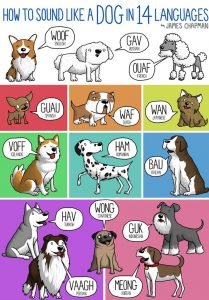
“Bark,” a simple yet powerful word that encapsulates the unmistakable sound a dog makes. The question of “what sound does a dog make in words” may seem straightforward, but behind the bark lies a world of communication and emotion. Dogs express joy, excitement, fear, and even warning through their barks, each one uniquely tailored to convey a message. Join us as we delve into the fascinating realm of dog vocalizations and uncover the meaning behind their barks. What more lies beneath the surface of this common yet complex canine language?

Exploring the Question: What Sound Does a Dog Make in Words?
Welcome, young readers, to a fun and informative journey into the world of dog sounds! Have you ever wondered how to describe the sound a dog makes using words? Let’s dive in and uncover the exciting world of onomatopoeia!
The Basics of Dog Sounds
Dogs are amazing animals that communicate with us and each other through various sounds, body language, and actions. When it comes to the sounds they make, one of the most iconic and recognizable noises is their bark. But is a bark the only sound a dog makes? Let’s find out!
The Bark: Woof, Arf, Ruff, and More!
When we try to describe the sound a dog makes in words, we often think of the classic “woof” sound. However, did you know that dogs can bark in different ways, producing sounds like “arf,” “ruff,” “bark,” and more? Each dog may have its unique way of barking, creating a symphony of sounds!
Exploring Onomatopoeia
Now, let’s learn a big word – onomatopoeia! This word describes the process of creating words that imitate the sound they represent. So when we say “woof” or “ruff,” we are using onomatopoeic words to describe the sound of a dog barking. Neat, right?
Different Sounds Dogs Make
Aside from barking, dogs have a wide range of sounds they use to express themselves. Let’s explore some of these sounds and how we can describe them in words!
Whining and Whimpering
Have you ever heard a dog whine or whimper? It’s a soft, high-pitched sound that dogs make when they are sad, anxious, or seeking attention. Describing this sound in words can be tricky, but you might say it sounds like “whine” or “whimper.”
Growling and Snarling
When a dog feels threatened or protective, it may growl or snarl. These sounds are deeper and more menacing than barks, conveying a sense of warning. To describe a growl or snarl, you might use words like “grr,” “growl,” or “snarl.”
Howling and Yipping
Ever heard a dog howl at the moon or yip with excitement? Howling is a long, eerie sound that dogs make to communicate over long distances, while yipping is a quick, sharp sound used in playful situations. To describe these sounds, think of words like “howl” or “yip.”
Understanding Your Dog’s Sounds
Now that you know more about the sounds dogs make and how to describe them in words, you can better understand your furry friend’s communication. Pay attention to the sounds your dog makes and the context in which they occur to deepen your bond and connection!
Remember, dogs have a rich language of sounds that they use to express their emotions, needs, and intentions. By learning to interpret these sounds, you can become a better dog owner and companion to your beloved pet.
We’ve embarked on a fascinating journey into the world of dog sounds and how we can describe them in words. From barks and whines to growls and howls, dogs have a diverse range of vocalizations that enrich our lives and deepen our bond with them.
Next time you hear your dog making a sound, try to describe it using the onomatopoeic words we’ve learned today. Your furry friend will appreciate your efforts to understand their unique language!
So, young readers, keep listening, keep learning, and keep exploring the amazing world of dog sounds. Who knows what other exciting discoveries await as you continue to unravel the mysteries of our canine companions!
11 Sounds Dogs Make and What They Mean
Frequently Asked Questions
What is the sound that a dog makes in words?
A dog makes a sound that is commonly described as “woof” or “bark.” This vocalization varies in pitch and intensity depending on the situation and the dog’s breed.
Can the sound of a dog be represented as “bow wow”?
Yes, some people may use “bow wow” to imitate the sound that a dog makes. However, “woof” or “bark” are more commonly accepted representations of a dog’s vocalization.
Do all dogs make the same sound?
No, different dog breeds may produce variations in the sound they make. Additionally, individual dogs can have unique barks that vary in pitch, duration, and tone.
Final Thoughts
In conclusion, the sound a dog makes in words is commonly referred to as “bark.” This onomatopoeic term accurately captures the sharp, distinctive noise that dogs produce. Understanding this vocalization of canines is essential for effective communication and bonding with our four-legged friends. So next time you hear a dog barking, remember that it’s their way of expressing themselves and communicating with us. Embrace the unique language of dogs and respond to their barks with care and attention.