
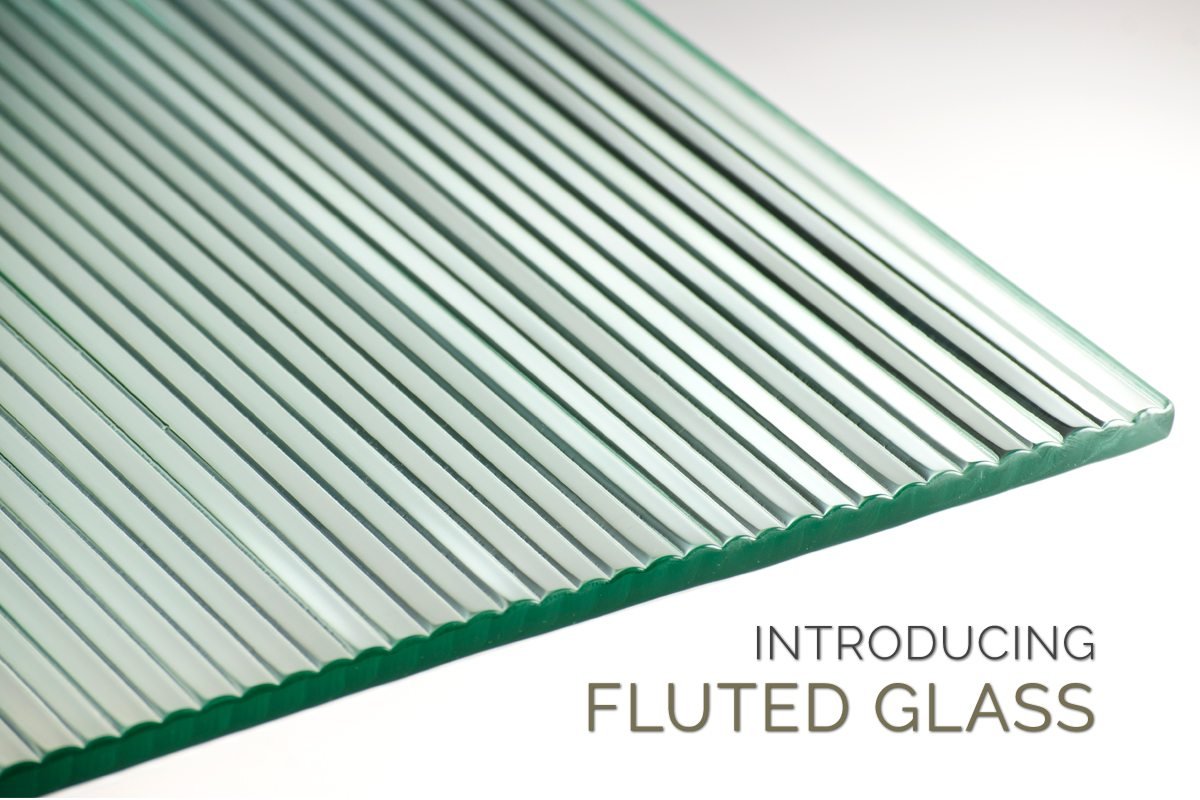
Fluted glass: a design element that embodies timeless elegance and sophistication. What is fluted glass? Simply put, it is a style of glass characterized by vertical ridges or grooves running along its surface. This unique feature adds depth and texture, creating a captivating play of light and shadow. Popular in both classic and modern interiors, fluted glass effortlessly infuses a touch of glamour and refinement into any space. Let’s delve deeper into the world of fluted glass and discover its versatile aesthetic appeal.

Exploring the Beauty and Elegance of Fluted Glass
Welcome, curious minds, to a fascinating journey into the world of interior design and architecture! Today, we delve into the mesmerizing realm of fluted glass and unravel the mysteries behind this unique material. What is fluted glass, you may wonder? Let’s embark on an exciting exploration to discover the beauty and elegance that fluted glass brings to our homes and buildings.
What Makes Fluted Glass so Special?
Fluted glass is not your ordinary glass – it has a distinctive look that sets it apart from traditional clear glass. The term “fluted” refers to the vertical grooves or ridges that are carefully crafted into the surface of the glass. These grooves create a mesmerizing play of light and shadow, adding depth and texture to the glass.
One of the most enchanting qualities of fluted glass is its ability to diffuse light in a soft and subtle manner. When light passes through the grooves, it creates a beautiful pattern of light and shadows, casting an ethereal glow in the surrounding space.
The History of Fluted Glass
Fluted glass has a rich history that dates back centuries. This decorative glass style first gained popularity during the Art Deco movement of the early 20th century. Designers and architects were drawn to the elegant and sophisticated look of fluted glass, incorporating it into their creations to add a touch of glamour and luxury.
Over the years, fluted glass has become synonymous with timeless elegance and refined aesthetics. From classic Art Deco buildings to modern-day interiors, fluted glass continues to captivate with its timeless appeal.
Applications of Fluted Glass in Interior Design
Fluted glass is a versatile material that can be used in a variety of ways to enhance the beauty of a space. One of the most popular applications of fluted glass is in doors and windows. The textured surface of the glass adds a touch of privacy while still allowing light to filter through, creating a sense of openness and warmth.
Another common use of fluted glass is in lighting fixtures. When used in pendant lights or sconces, fluted glass can create a soft and ambient glow, perfect for setting a cozy and inviting atmosphere in any room.
Fluted Glass in Furniture and Decor
Designers have also begun incorporating fluted glass into furniture and decor pieces, adding a touch of sophistication and luxury to any space. From elegant coffee tables with fluted glass tops to chic room dividers that play with light and shadow, the possibilities are endless when it comes to incorporating fluted glass into interior design.
Fluted Glass in Architectural Elements
Architects often use fluted glass in architectural elements such as walls, partitions, and facades. The unique texture of fluted glass adds visual interest and depth to a building’s exterior, creating a striking visual impact that sets it apart from traditional structures.
Benefits of Using Fluted Glass
Aside from its aesthetic appeal, fluted glass offers several practical benefits that make it a popular choice in interior design. One of the main advantages of fluted glass is its ability to provide privacy while still allowing light to pass through. This makes it an ideal choice for spaces where both natural light and privacy are important.
Additionally, fluted glass is easy to maintain and clean, making it a practical choice for busy households and commercial spaces. With just a swipe of a cloth, fluted glass can be kept looking pristine and beautiful, adding a touch of elegance to any room.
In Conclusion
As we conclude our exploration into the captivating world of fluted glass, we have discovered the beauty, elegance, and versatility that this unique material brings to interior design and architecture. From its mesmerizing play of light and shadow to its practical benefits, fluted glass continues to enchant designers, architects, and homeowners alike with its timeless appeal.
So, the next time you come across a stunning piece of fluted glass, take a moment to appreciate the artistry and craftsmanship that goes into creating this beautiful material. Whether used in doors, windows, lighting fixtures, furniture, or architectural elements, fluted glass is sure to add a touch of sophistication and charm to any space it graces.
Who knew fluted glass could be this easy (and cheap)? #bathroommakeover #flutedglass
Frequently Asked Questions
What are the characteristics of fluted glass?
Fluted glass is known for its unique design features, which include vertical ribbed patterns running along its surface. This design creates a textured appearance that not only adds visual interest but also provides a tactile dimension to the glass.
How is fluted glass used in architecture and design?
Fluted glass is a popular choice for architectural and interior design applications. It is often used in doors, partitions, windows, and decorative elements. The ribbed patterns of fluted glass can help enhance privacy by distorting the view through the glass while still allowing light to pass through, making it ideal for both functional and aesthetic purposes.
What are the advantages of using fluted glass in interior spaces?
Fluted glass offers several advantages for interior spaces. It can help create a sense of privacy without completely blocking out natural light. Additionally, the textured surface of fluted glass can add a touch of elegance and sophistication to the décor, making it a popular choice for both residential and commercial settings.
Final Thoughts
Fluted glass is a type of textured glass characterized by grooves or ridges running vertically along its surface. This unique design adds visual interest and can enhance both modern and traditional interiors. Commonly used in lighting fixtures, cabinet doors, and partitions, fluted glass offers a balance of privacy and light transmission. Its versatile nature makes it a popular choice for interior designers and architects seeking to add a touch of elegance to their spaces. In conclusion, fluted glass is a stylish and functional design element that can elevate the aesthetic appeal of any room.