
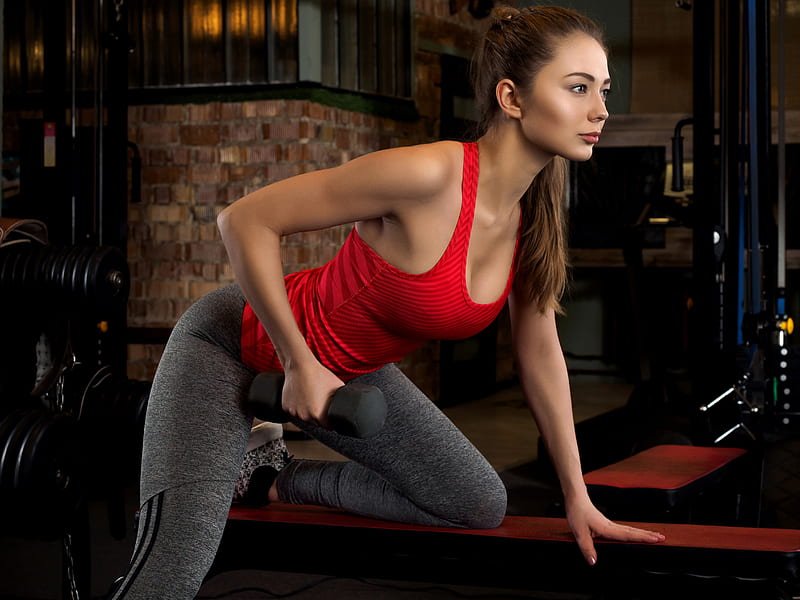
Choosing the right equipment for a high-traffic gym is critical to ensuring member satisfaction, safety, and operational efficiency. A gym that caters to a large number of clients daily must focus on durability, versatility, and layout to maximize space and minimize maintenance. Selecting equipment is not just about filling the floor with machines; it’s about creating an environment that encourages users to reach their fitness goals while keeping the facility running smoothly.
When planning a gym space, it’s essential to consider the principles of commercial gym design. This concept encompasses the strategic selection of equipment, spatial planning, and flow of movement to provide both functional and aesthetically appealing spaces. High-traffic gyms often require equipment that withstands frequent use and reduces downtime due to repairs. Investing in quality machines that balance functionality with durability can significantly enhance the member experience.
What Factors Should You Consider in Equipment Selection?
Durability and Quality:
High-traffic gyms demand machines built with industrial-grade materials. Steel frames, reinforced cables, and heavy-duty upholstery can extend the life of your equipment, reducing replacement costs over time. Prioritizing durability ensures the gym maintains a professional appearance and operates without constant interruptions for repairs.
Variety and Versatility:
A well-rounded gym should cater to different training styles—strength, cardio, functional fitness, and rehabilitation. Machines that offer adjustable resistance, multiple grip positions, and modular attachments allow users of varying fitness levels to benefit from the same equipment. Multi-functional machines can also save space, a crucial factor in busy gyms.
User Safety and Comfort:
Safety should never be compromised, especially in high-traffic gyms. Equipment with proper ergonomics, clear instructions, and smooth operational mechanics reduces the risk of injury. Features like padded seats, anti-slip surfaces, and intuitive weight adjustments contribute to both user comfort and safety.
Space Optimization:
Efficient commercial gym design considers the flow of movement between machines. Overcrowded spaces can lead to discomfort and even accidents. Planning the layout with adequate spacing, designated zones for different workouts, and visible sightlines improves both usability and operational management.
How to Balance Cost and Quality?
Investing in premium equipment is often necessary for high-traffic gyms, but it’s important to balance cost with functionality. Leasing options or phased purchases allow gym owners to prioritize critical machines first and expand gradually. Additionally, equipment with longer warranties and service plans can save money in the long term.
Trends in Commercial Gym Equipment
Modern gyms are incorporating technology-driven solutions to enhance user engagement and operational efficiency. Cardio machines with integrated screens, performance tracking, and virtual coaching are increasingly popular. Strength machines with smart weight systems that automatically adjust resistance are also gaining traction. These innovations not only improve the workout experience but also attract tech-savvy members.
Common Mistakes to Avoid
A frequent error in high-traffic gyms is over-investing in a single type of equipment while neglecting others. For example, having multiple treadmills but insufficient strength-training stations can create bottlenecks. Another mistake is ignoring the maintenance and cleaning requirements of equipment, which can affect durability and hygiene standards. Strategic planning ensures balanced distribution and long-term usability.
Final Thoughts
Selecting commercial gym equipment for high-traffic gyms is a strategic process that involves understanding member needs, operational efficiency, and safety standards. Prioritizing durability, versatility, and user-centered design can significantly enhance the member experience. Properly planned spaces, combined with quality equipment, ensure that gyms operate smoothly while providing a safe and engaging environment for all users.
Investing in a thoughtful approach to commercial gym design helps create a facility that is not only functional but also inviting and professional, keeping members motivated and satisfied. By following these guidelines, gym owners can build a space that withstands the pressures of high traffic while maintaining top-notch quality and performance.