
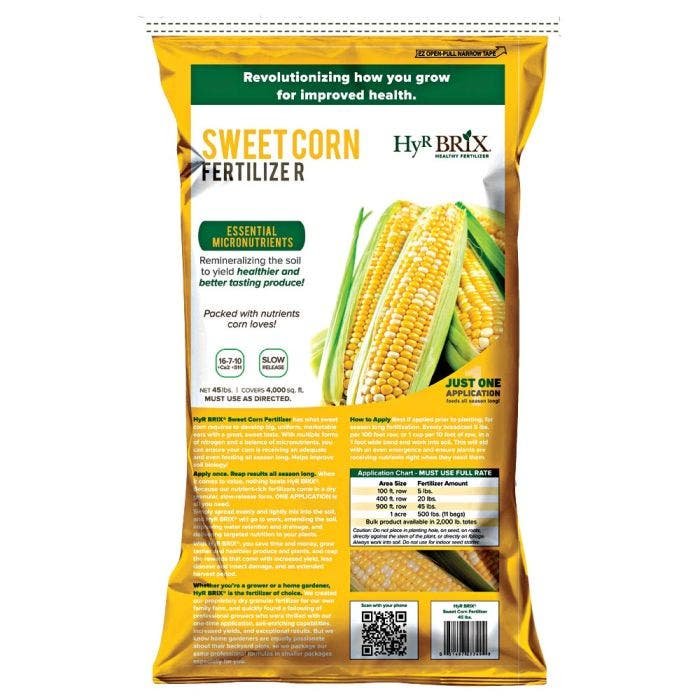
To get the best yield for your corn crop, choosing the right fertilizer is crucial. The answer to the question “what fertilizer for corn” can make all the difference in your harvest success. Different growth stages of corn require specific nutrient blends to thrive, promoting strong stalks and healthy ears. Understanding the needs of your corn plants and how to provide them with the necessary fertilizers will lead to a bountiful and healthy crop. Let’s delve deeper into this essential aspect of corn cultivation.

Choosing the Right Fertilizer for Your Corn Crop
Welcome, young farmers and curious minds! Today, we are diving into the world of corn fertilizers. Have you ever wondered what makes corn grow tall, strong, and tasty? Well, the secret lies in choosing the right fertilizer for your corn crop. In this article, we will explore the various types of fertilizers available, when to apply them, and how they can help your corn plants thrive. Let’s get started!
The Basics of Fertilizing Corn
Before we dig into the different types of fertilizers, let’s understand why fertilizing corn is important. Just like we need food to grow and stay healthy, plants like corn also need nutrients to thrive. Fertilizers provide essential nutrients like nitrogen, phosphorus, and potassium that corn plants need to grow tall, produce healthy ears, and yield a bountiful harvest.
Key Nutrients for Corn
Let’s break down the essential nutrients that corn plants require:
1. Nitrogen
Nitrogen is like a superhero for corn plants. It helps them grow big, green leaves and sturdy stalks. Without enough nitrogen, corn plants can look weak and pale. Applying nitrogen fertilizer can make a significant difference in the growth and yield of your corn crop.
2. Phosphorus
Phosphorus is crucial for strong root development in corn plants. It helps them absorb other nutrients and water efficiently. When corn plants have enough phosphorus, they can establish a robust root system, which is essential for withstanding windy days and supporting the tall stalks.
3. Potassium
Potassium is like the bodyguard of corn plants. It helps them resist diseases and stress, making them more resilient to changing weather conditions. With enough potassium, corn plants can stay healthy and produce high-quality ears of corn.
Types of Corn Fertilizers
Now that we know about the essential nutrients, let’s explore the different types of fertilizers you can use for your corn crop:
1. Synthetic Fertilizers
Synthetic fertilizers are human-made fertilizers that provide a quick boost of nutrients to the soil. They come in various formulations, such as granular, liquid, or slow-release. These fertilizers are convenient to use and can be customized based on the specific needs of your corn plants.
2. Organic Fertilizers
Organic fertilizers are derived from natural sources like compost, manure, or bone meal. They release nutrients slowly into the soil, providing a steady supply of nutrition to corn plants over time. Organic fertilizers improve soil health and promote beneficial microbial activity in the soil.
3. Balanced Fertilizers
Some fertilizers are designed to provide a balanced mix of nitrogen, phosphorus, and potassium, also known as NPK fertilizers. These balanced fertilizers ensure that corn plants receive all the necessary nutrients in the right proportions for healthy growth and development.
When to Apply Fertilizer
Timing is crucial when it comes to fertilizing corn. Here are some key points to keep in mind:
1. Pre-Planting
Before planting your corn seeds, it’s essential to prepare the soil by adding fertilizers. This initial application sets the foundation for healthy plant growth throughout the season.
2. Side-Dressing
Side-dressing involves applying fertilizers to the soil near the base of the corn plants when they are a few inches tall. This additional dose of nutrients helps support the growing plants during the critical stages of development.
3. Foliar Feeding
Foliar feeding is a method of applying liquid fertilizers directly to the leaves of corn plants. This technique provides a quick nutrient boost and can help address any deficiencies that may arise during the growing season.
Choosing the Right Fertilizer for Your Corn Crop
Now that we’ve covered the basics of corn fertilizers, let’s talk about how to choose the right fertilizer for your corn crop. Consider the following factors:
1. Soil Test
Before selecting a fertilizer, it’s essential to conduct a soil test to determine the nutrient levels in your soil. This will help you choose a fertilizer that addresses any deficiencies and optimizes nutrient uptake by your corn plants.
2. Crop Stage
Different fertilizers are recommended for specific stages of corn growth. Pay attention to the nutrient requirements of your corn plants at each stage, from planting to tasseling to maturity.
3. Environmental Factors
Consider the environmental conditions in your area, such as rainfall patterns and soil pH, when selecting a fertilizer. Some fertilizers perform better under certain conditions, so choose one that suits your local environment.
Choosing the right fertilizer for your corn crop is crucial for achieving healthy plants and a bountiful harvest. By understanding the essential nutrients for corn, exploring the types of fertilizers available, and knowing when to apply them, you can optimize the growth and yield of your corn plants. Remember to consult with local agricultural experts for personalized recommendations based on your specific growing conditions. Happy farming!
Your Corn Will LOVE You For This: 4 Tips to Grow Corn Like A Pro!
Frequently Asked Questions
What type of fertilizer is best for corn?
Corn plants require a balanced fertilizer with a higher percentage of nitrogen, such as a complete NPK fertilizer. Look for a fertilizer with a ratio like 10-10-10 or 20-20-20 to provide essential nutrients for healthy corn growth.
When should I apply fertilizer to my corn plants?
It is best to apply fertilizer to corn plants before planting and then side-dress additional fertilizer once the plants have grown to a certain height, typically when they are about knee-high. This practice helps ensure that the corn plants have adequate nutrients throughout their growth cycle.
How much fertilizer should I use on my corn crop?
The amount of fertilizer needed for corn plants can vary depending on soil conditions and other factors. As a general guideline, you can apply around 1.5 to 2 pounds of nitrogen per 1000 square feet of planting area. It is important to follow soil test recommendations for more accurate fertilization.
Final Thoughts
In conclusion, choosing the right fertilizer for corn is crucial for a successful harvest. Understanding the nutrient requirements of corn plants is essential in selecting the appropriate fertilizer blend. Consider factors like soil quality, weather conditions, and the growth stage of the corn crop when deciding on the type and timing of fertilizer applications. By providing the necessary nutrients at the right time, you can ensure optimal growth and yield for your corn crop. Choose wisely when determining what fertilizer for corn will best suit your farming needs.