
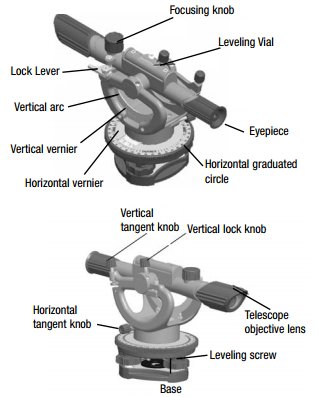
A transit level is a crucial tool for precise surveying and construction work. Its ability to measure vertical and horizontal angles with accuracy makes it indispensable in various industries. By incorporating a telescope and bubble level, a transit level ensures that elevations and distances are determined with precision. In this article, we will delve into the functionality and importance of a transit level in the field, shedding light on why it is a cornerstone tool for professionals requiring meticulous measurements.

What is a Transit Level and How Does It Work?
Welcome, young explorers! Have you ever wondered how construction workers make sure everything they build is straight and level? Well, one of the secret tools they use is called a transit level. In this exciting adventure into the world of construction, we will uncover the mysteries of what a transit level is and how it helps builders create amazing structures!
Let’s Start with the Basics: What is a Transit Level?
Imagine a special magical device that can tell you if something is perfectly level or if it’s tilted slightly. That magical device is like a transit level! It is a tool that construction workers use to measure the vertical and horizontal angles of a surface. This helps them make sure that the buildings, roads, and bridges they construct are strong and safe for everyone.
How Does a Transit Level Work?
Transit levels have a powerful magnifying lens and a built-in telescope that helps construction workers see things that are far away. They also have a bubble level, which is a tiny tube filled with liquid and a small bubble. When the bubble is in the middle of the tube, it means the surface is level. If it’s off to one side, it means the surface is tilted.
Construction workers look through the telescope of the transit level and line up the crosshairs with a special measuring rod held by their friend. By measuring how high or low the rod is compared to the transit level, they can calculate the exact elevation of the ground. This is important for making sure everything is flat and even.
The Different Parts of a Transit Level
Now, let’s take a closer look at the different parts of a transit level:
1. Telescope
The telescope is like a magic eye that lets construction workers see things clearly, even from a distance. It helps them focus on the measuring rod and make precise measurements.
2. Leveling Screws
These are special screws on the transit level that can be adjusted to make sure the device is perfectly level. This is crucial for getting accurate measurements.
3. Bubble Level
The bubble level is a small tube filled with liquid. When the bubble is in the middle of the tube, it means the surface is level. If it’s off-center, adjustments need to be made.
4. Crosshairs
These are the lines inside the telescope that help construction workers aim and focus on the measuring rod. By lining up the crosshairs with the rod, they can measure heights accurately.
Why Are Transit Levels Important in Construction?
Transit levels are like superheroes for construction workers. They help ensure that buildings are sturdy, roads are smooth, and bridges are safe to cross. Here are a few reasons why transit levels are so important:
1. Accuracy
By using a transit level, construction workers can make sure everything they build is level and straight. This is essential for the safety and durability of any structure.
2. Precision
Transit levels allow construction workers to make precise measurements, ensuring that every part of a building fits together perfectly. This helps prevent mistakes and makes construction more efficient.
3. Efficiency
With the help of transit levels, construction projects can be completed more quickly and with fewer errors. This saves time and money, making the whole process smoother and more successful.
Congratulations, young adventurers! You have now unlocked the secrets of the transit level and learned how it helps construction workers create amazing structures. The next time you see a building being constructed, remember the important role that transit levels play in making sure everything is just right. Keep exploring and learning about the fascinating world of construction!
Stay curious and keep discovering new wonders around you!
Happy building!
How to Use a Transit
Frequently Asked Questions
What is a transit level used for?
A transit level is a surveying instrument primarily used for measuring horizontal and vertical angles to establish straight lines, set grades, layout building foundations, and perform other precise construction tasks.
How does a transit level work?
A transit level works by utilizing a telescope mounted on a tripod, which can rotate horizontally and vertically. By looking through the telescope, surveyors can aim at specific points with precision and read the angle measurements on the instrument to ensure accurate alignment and leveling.
What are the main components of a transit level?
The main components of a transit level include the telescope, which can rotate horizontally and vertically, a leveling vial to ensure the instrument is horizontal, and angle measurement scales or a digital display to read and record accurate angles.
Can transit levels be used for indoor measurements?
Transit levels are typically used outdoors due to their design for long-distance measurements and the need for a clear line of sight. However, there are specialized indoor transit levels available that use laser technology for shorter-range measurements in confined spaces.
Final Thoughts
A transit level is a precision tool used in construction for measuring heights and leveling. It consists of a telescope mounted on a tripod with a bubble level for accuracy. This essential instrument helps builders ensure structures are even and leveled. In conclusion, a transit level is a vital tool for anyone involved in construction projects, providing precise measurements and ensuring the quality of the work.